
The Origins of Dogwood: A Neighborhood Awash in Blooms
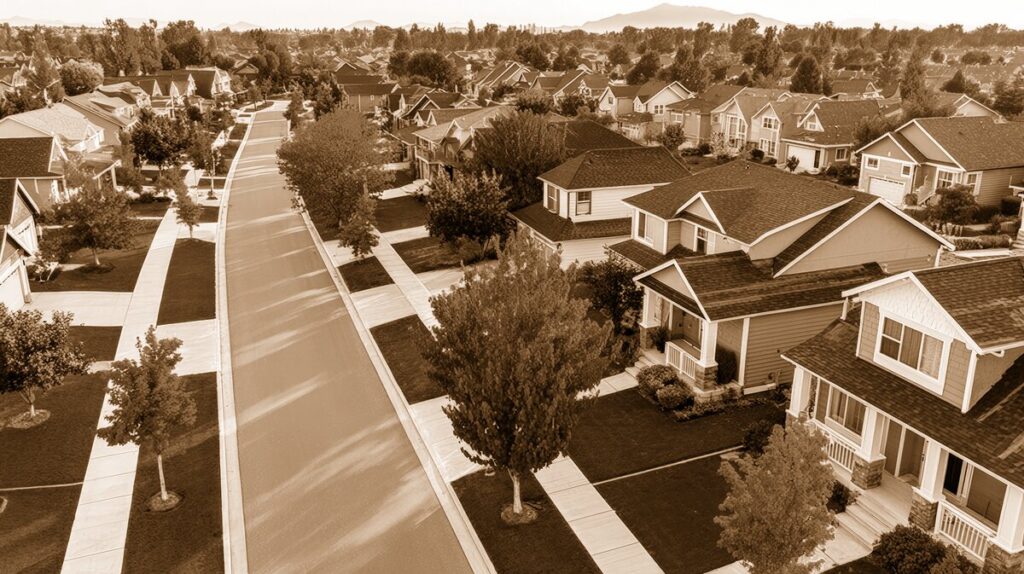
Nestled on the western edge of Rye, NY, the Dogwood neighborhood greets visitors and longtime residents alike with leafy canopies, quiet side streets, and a strong sense of history. The story of Dogwood begins in the early 20th century, during the post-World War I period when Rye experienced a surge of suburban development. While today you’ll find Dogwood spanning streets like Dogwood Lane, Evergreen Avenue, and nearby Milton Road, its beginnings were simple—just farmland, orchards, and a thicket of the flowering dogwood trees for which it would eventually be named.
Local lore suggests that early mapmakers and developers, mesmerized by the annual springtime spectacle of the native Cornus florida blossoms, petitioned the town to designate the area as “Dogwood.” The name stuck, and with it, a legacy of natural beauty became intertwined with Dogwood’s identity.
Key Historical Milestones
The Birth of Dogwood Lane
The first homes appeared along Dogwood Lane in the late 1920s, as Rye’s population grew with families seeking the tranquility of the suburbs after the bustle of New York City. Several original clapboard houses—with their characteristic wide porches meant for catching the afternoon breeze—still stand today, lovingly maintained by generations of the same families.
A Community Blossoms
During the 1940s and 1950s, Dogwood saw the arrival of new residents, many of whom were returning servicemen and women from World War II. The neighborhood’s postwar development coincided with the broader suburban boom seen across Westchester County. Garden clubs flourished here, and it became a local tradition to plant dogwood saplings along the curbs and front yards. By the mid-1950s, Dogwood was renowned for its avenue of blooms each spring, drawing visitors from neighboring communities.
Shaping a Neighborhood Identity
In the decades that followed, Dogwood’s close proximity to Rye High School and Rye Middle School turned it into a lively enclave for families. Children walked or biked along Milton Road and Dogwood Lane to reach their schools, and the area’s strong sense of safety and togetherness became a point of pride.
Notable Landmarks and Institutions
While it doesn’t boast grand mansions or legendary estates, Dogwood’s heart lies in its understated charm and well-loved community spaces.
- Dogwood Lane Circle: More than just a traffic feature, the small green circle at the heart of Dogwood Lane has long served as a gathering spot. Each spring, neighbors organize a “Dogwood Blossom Picnic,” a decades-old tradition featuring lemonade stands, chalk art, and games under the blooming trees.
- Blossom Park: Located at the corner of Dogwood Lane and Evergreen Avenue, this petite green space was established in the 1960s thanks to tireless neighborhood fundraising. Its walking path is shaded by mature dogwoods and benches bear plaques honoring longtime residents.
- The Old Stone House: On the northern fringe of Dogwood, at the intersection of Milton Road and Brookridge Avenue, sits a charming prewar structure affectionately called the Old Stone House. Though privately owned, this home—built in 1927—retains its original fieldstone façade and is listed on Rye’s local heritage register.
- Community Garden: Tucked behind Rye Middle School, the Dogwood Community Garden has been a staple since the 1980s. It’s a living testament to the neighborhood’s love of horticulture, where gardeners share perennials, vegetables, and, fittingly, several varieties of cultivated dogwood trees.
Evolution Through the Decades
Dogwood’s greatest strength has always been its blend of continuity and quiet change. While the neighborhood escaped the rapid modernization that reshaped much of Rye in the 1970s and 1980s, subtle improvements and renovations have kept its housing stock fresh. Many cottages have undergone expansions, carefully preserving their Craftsman details and original, solid-oak front doors.
The neighborhood has seen an influx of new families in recent years, drawn by its proximity to local schools, Rye’s downtown, and the leafy sanctuary of Rye Nature Center just a short walk away on Boston Post Road.
Dogwood’s tradition of community involvement is as strong as ever. Block parties, holiday luminary lightings, and spring clean-up days foster a sense of belonging. Many residents recall the old “Dogwood News” newsletter—now revived as an email digest—keeping everyone informed of garden club meetings, lost pets, and the annual spring yard sale.
What Makes Dogwood Special Today
The heart of Dogwood’s enduring appeal lies in its simplicity and community-minded spirit. Mature dogwood trees, lovingly replanted with each passing generation, are both a metaphor and a legacy. Residents are stewards of these beautiful trees—not just for themselves, but for future generations who will one day marvel at their blooms.
Locals love the walkability of Dogwood. It’s common to see neighbors chatting along Dogwood Lane, parents pushing strollers, and children riding bikes along Evergreen Avenue. Front porches are adorned with flower boxes, and the sounds of laughter float up from Blossom Park every spring and summer.
The neighborhood is also just a short jaunt to the heart of Rye’s village shops, Rye Nature Center, and Milton Harbor—offering the best of small-town living with easy access to green space and water.
Dogwood, in so many ways, is Rye as it used to be—quiet, just a little bit hidden, and deeply rooted in community. Its heritage lives on not just in the careful preservation of homes or parks, but in annual traditions, shared memories, and above all, in the people who continue to call it home.
Conclusion
To walk the streets of the Dogwood neighborhood is to trace the living history of a community—one that has grown, bloomed, and flourished much like its namesake. Whether you’re a lifelong resident or discovering Rye for the first time, Dogwood stands as a reminder of the enduring warmth and heritage that make this corner of Westchester truly special.